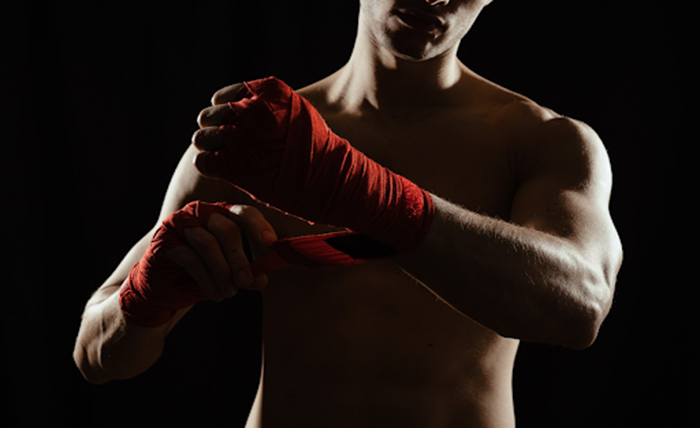
Walk into today’s gyms, and there it is – two styles sharing space yet built on separate ideas. A single octagon, a lone square, each hosting its own set of rules. Though they seem alike when standing still, everything changes once movement begins. Mixed martial arts meets resistance differently than Thai boxing does. New athletes pick sides sooner now, sometimes before knowing both. That first choice bends every future move.
The Core Difference: Rules, Rhythm, and Range
Chaos dressed up as order – that’s what MMA feels like. Muay Thai? More like rhythm forged in old routines, step after careful step. Striking meets grappling, plus sudden dives into submission holds, keeps bodies shifting distances without pause. Eyes on screens, some track matches live using sites such as มีbet, spotting style wars unfold frame by frame. A punch begins the moment, but then the floor pulls close when a trip catches balance off guard. Training never sticks to just one path; instead, early mornings mean learning it all because anything might come at any instant.
Standing tall, Muay Thai sticks close to strikes, yet sharpens them into something fierce. Not just punches – elbows slice, knees thrust, and tight clinches steer fights like levers. Precision unfolds in rhythm, movements balanced as gears turning without waste. When takedowns vanish from play, staying upright means survival depends solely on stamina and toughness.
Skillsets Young Fighters Prioritize Today
Kids today skip the guesswork by designing paths on purpose. Gyms steer fighters toward distant targets rather than just nearby fights. Picking a core style shapes speed; sometimes it opens doors, other times blocks them.
Here’s what young athletes are focusing on:
- MMA-first approach: Fighters train wrestling and grappling early to stay competitive in modern promotions
- Muay Thai foundation: Athletes build elite striking before transitioning into MMA later
- Hybrid training camps: Many split time between striking gyms and grappling academies
- Specialization early: Some choose to dominate one sport instead of switching
What changes is how newcomers mix appeal with skill – paths shaped by visibility just as much by wins. Their choices blend reach and results, each step measured two ways at once.
Why the Decision Matters More than Ever
Faster than before, the line blurs between weekend brawlers and full-time fighters. Without sharp growth, staying behind becomes likely – poor basics stretch timelines out. Fans keep up by checking bouts online, using apps such as Melbet APK when a sportsman is on the mat. Pushed into set routines sooner, trainees build patterns that last deep into their careers.
The Mma Pathway: Versatility over Mastery
Right off the bat, new faces in MMA gyms meet sharp challenges. One minute they’re practicing takedowns, then shifting into submission drills, followed by stringing together punches and kicks. Because of this back-and-forth, their bodies learn how to adjust fast when things change suddenly. Being forced into awkward spots makes them stay calm even when balance slips away. From these moments, finding ways out turns into second nature.
Still, that method might soften crisp accuracy at first. When training stays broad, some fighters miss the exact moves of dedicated Muay Thai practitioners. To keep things fresh, trainers mix up partner drills, introducing new forms into sessions every week. Eventually, the aim becomes shaping a well-rounded competitor instead of a narrow expert.
The Muay Thai Route: Precision Before Expansion
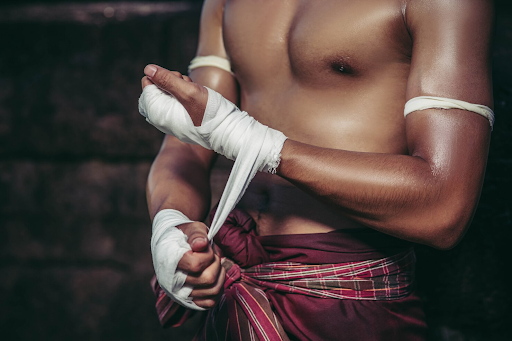
Starting each day at a Muay Thai gym means doing the same moves over and over. Thousands of kicks slice through the air, followed by sharp knees and sudden elbows shaping reflexes without thought. Years might pass just learning how to control an opponent up close. Mastery in that tight space usually tells who stands out from the rest.
Out of nowhere, some of the toughest strikers emerge from this route – sharp timing, built to last. Moving into MMA, their footwork often stays one step ahead. Yet when grapple-heavy opponents close in, things can feel off at first. Even so, plenty adjust, folding fresh techniques over what they’ve long mastered.
Training Environments and Culture Differences
Step inside an MMA gym and the difference hits right away. Thick mats stretch out, bags hang heavy, and metal enclosures outline the perimeter. Sessions blend disciplines, sometimes messy, always shifting with purpose. Rivals trade moves from different systems, adapting fast when situations change. Each round brings unfamiliar rhythms, bodies moving in unpredictable ways.
Training in Muay Thai camps moves like clockwork, shaped by habit and formality. Rhythm defines each session: first pads, then heavy bags, then clinching, finishing with endurance. Custom matters here; honor guides behavior between fighters and coaches. Fixed schedules dominate, rarely shifting from what’s expected day after day. Precision grows under such repetition, yet real surprise seldom shows up in practice.
The Reality Young Fighters Can’t Ignore
This isn’t a debate over superior sports – it’s matching training to ambition. For fighters chasing worldwide MMA stages, blending styles from the start could make sense. When sharp striking matters most, building first on Muay Thai – then widening later – might serve them well. Many top performers now mix styles, regardless of their background.